Temperature-sensitive medicines, vaccines, and biological products require strict and stable cold storage conditions. Even small temperature deviations can compromise drug efficacy, safety, and regulatory compliance. This is why medical refrigerators, also known as pharmacy refrigerators or biomedical refrigerators, are essential equipment in hospitals, pharmacies, laboratories, and public health institutions.
Unlike household refrigerators, medical-grade units are specifically engineered to maintain precise temperature control and ensure safe pharmaceutical storage.
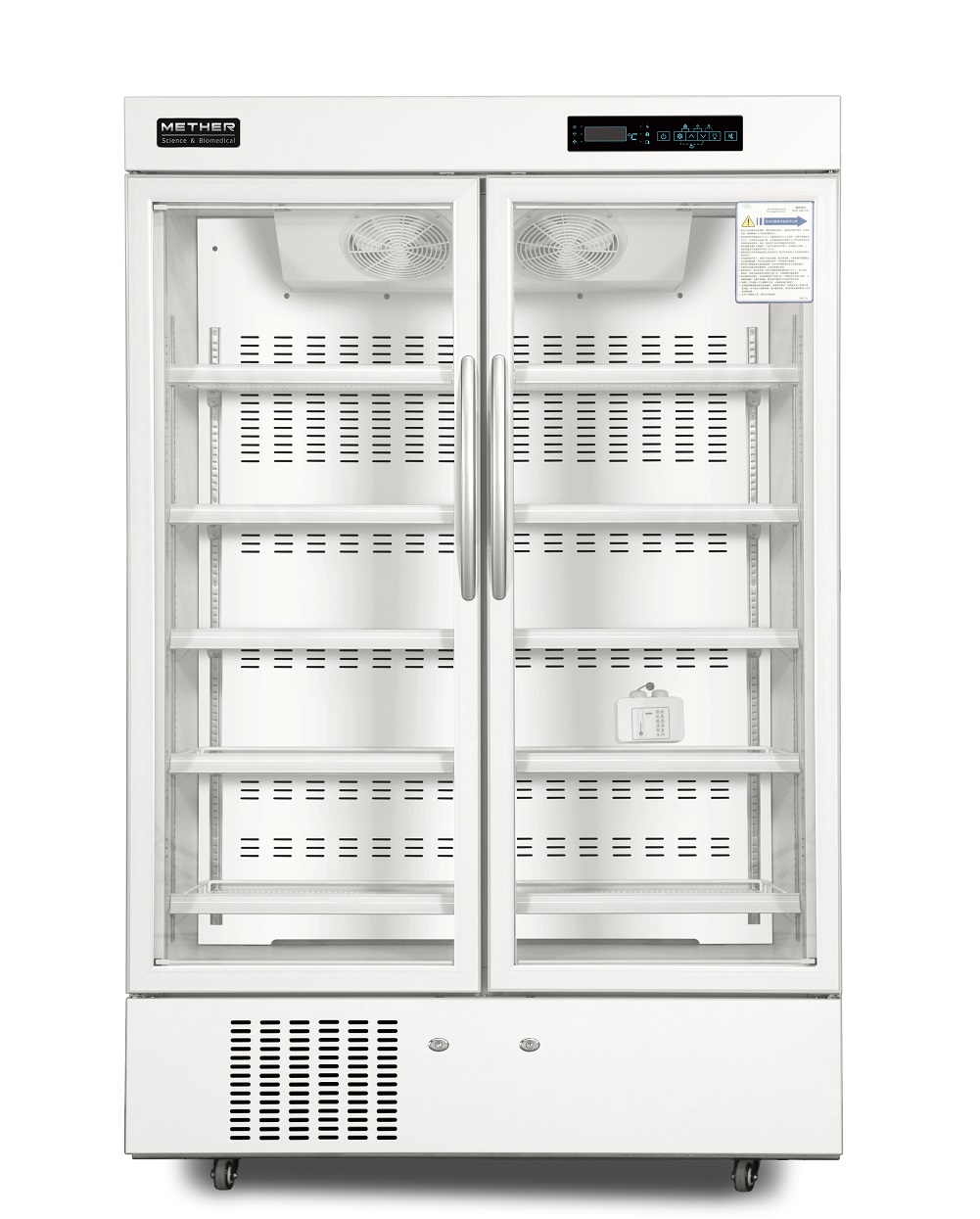
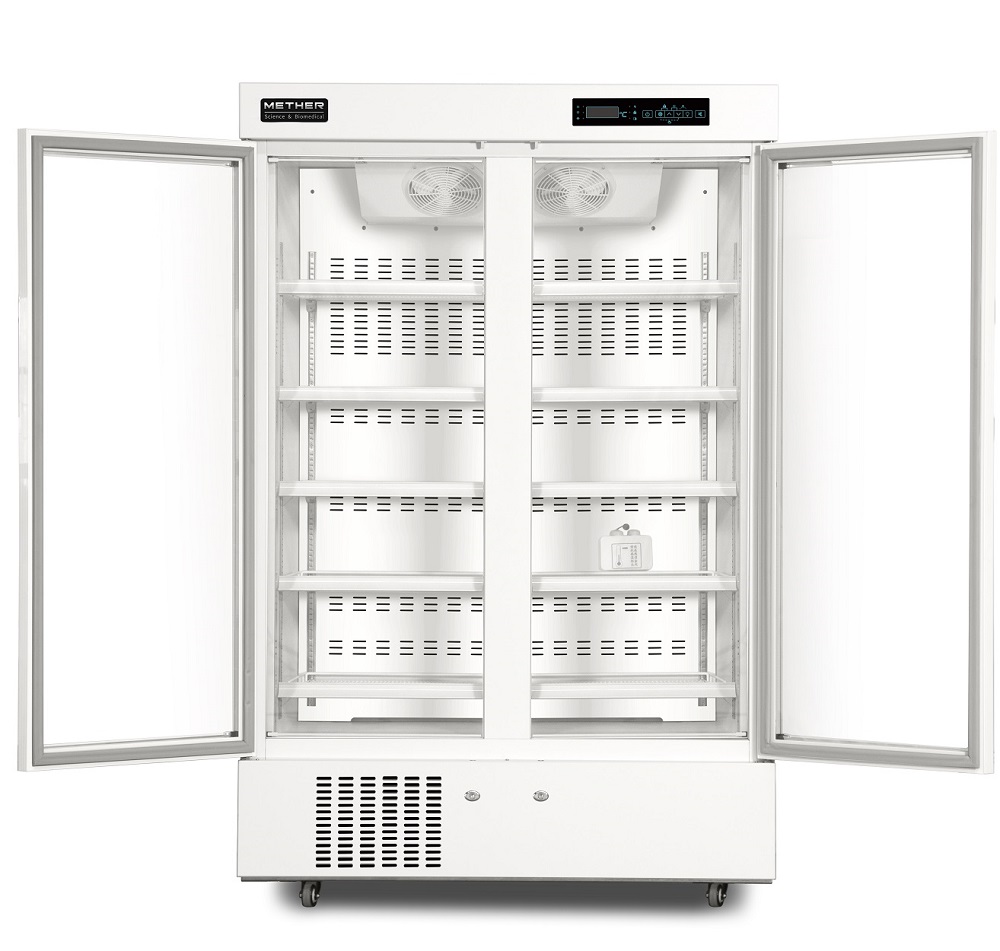
A medical refrigerator is a professional cold storage device designed for storing medicines, vaccines, reagents, insulin, enzymes, and other biomedical products.
Most medical refrigerators operate within a 2–8°C temperature range, which is the globally accepted standard for pharmaceutical storage. These units are built to meet medical and laboratory requirements, ensuring temperature stability, uniform airflow, and continuous monitoring.
Medical refrigerators use advanced control systems to maintain temperature accuracy, often within ±1°C or better. This level of precision is critical for preserving drug potency.
Forced-air cooling ensures even temperature distribution throughout the cabinet, eliminating cold or warm spots that could damage stored products.
Integrated alarms provide real-time alerts for:
High or low temperature
Power failure
Door left open
Sensor malfunction
These features reduce the risk of unnoticed temperature excursions.
 |
 |
Many pharmacy-grade refrigerators support temperature data recording and export, helping facilities meet audit, inspection, and regulatory documentation requirements.
Some advanced models are equipped with dual cooling systems, battery backup, or extended thermal insulation to protect stored drugs during power interruptions.
|
Feature |
Medical Refrigerator |
Household Refrigerator |
|
Temperature Accuracy |
High (±1°C) |
Low |
|
Temperature Uniformity |
Forced-air circulation |
Uneven |
|
Alarm System |
Standard |
None |
|
Data Recording |
Available |
Not available |
|
Compliance |
Medical & pharmaceutical standards |
Not compliant |
Using a household refrigerator for medical storage can lead to temperature instability, product loss, and regulatory violations.
Medical refrigerators are widely used in:
Hospital pharmacies
Clinics and vaccination centers
CDC and public health institutions
Research and diagnostic laboratories
Pharmaceutical manufacturing and storage facilities
In these environments, reliable cold chain storage is essential to prevent drug spoilage and ensure patient safety.
When selecting a medical refrigerator, consider the following factors:
Temperature range and stability (2–8°C is standard)
Storage capacity based on drug volume
Alarm and monitoring functions
Data logging and connectivity options
Compliance with local regulations and standards
Choosing the right model helps reduce operational risk and long-term costs.
Can medical refrigerators be used for vaccine storage?
Yes. Medical refrigerators are specifically designed for vaccine storage and meet required temperature stability standards.
Do pharmacy refrigerators need to operate continuously?
Yes. Continuous operation is essential to maintain temperature consistency and protect stored medicines.
What happens during a power failure?
Many medical refrigerators are equipped with alarms, battery backup, or thermal protection to safeguard stored products during power outages.
How often should a medical refrigerator be calibrated?
Regular calibration is recommended, typically once or twice a year, depending on regulatory requirements.
A reliable medical refrigerator is a critical component of pharmaceutical and biomedical cold chain management. With precise temperature control, advanced monitoring, and regulatory compliance, pharmacy-grade refrigerators help protect valuable medicines and ensure patient safety.
Investing in the right medical refrigerator is not just about equipment—it is about safeguarding drug quality, compliance, and trust.
Call Us : +86 139 5604 5681(Working time)
E-mail : menglw@zkduling.com
Mobile & WhatsApp : +86 139 5604 5681
Factory Address : NO1, Hexianghu Road,Shuangfeng E&D Zone, Changfeng,Hefei,Anhui ,China